
Understanding Clinch Studs and Nuts Applications
Industrial fasteners are essential components in many manufacturing and assembly applications. Among these, clinch studs and nuts play a crucial role in providing durable and reliable fastening solutions. This article delves into the applications of clinch studs and nuts, emphasizing their importance in various industries.
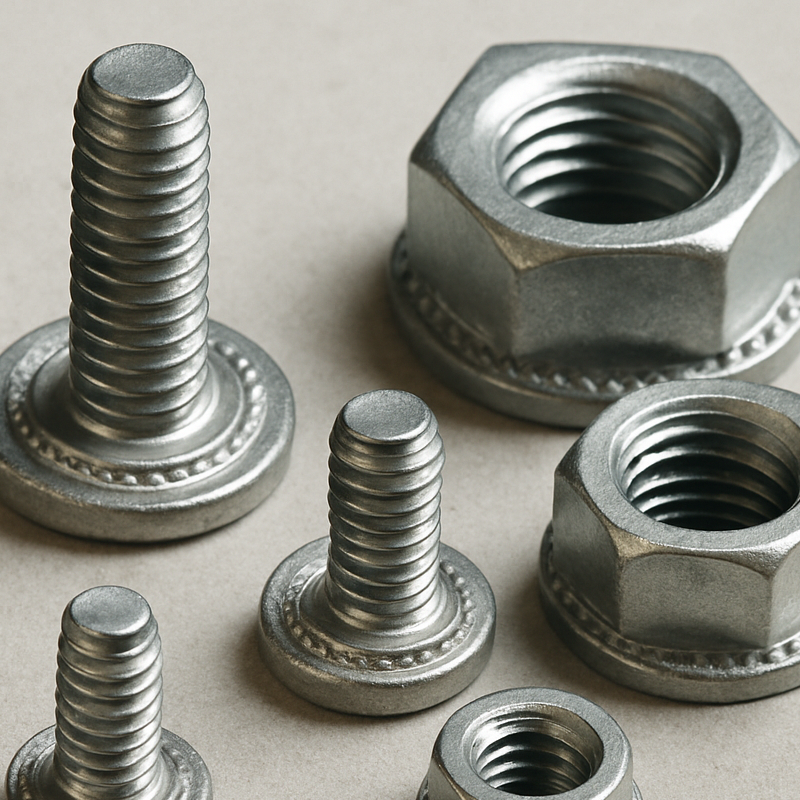
Clinch studs and nuts are types of industrial fasteners designed to be permanently attached to a workpiece. They are typically used in sheet metal applications where a strong, lasting hold is required. These fasteners are pressed into a pre-punched hole in the sheet metal, creating a secure connection that can withstand significant stress and strain.
Key Features of Clinch Studs and Nuts
- Permanent Attachment: Once installed, clinch studs and nuts provide a permanent fastening solution that resists loosening over time.
- High Strength: They offer excellent strength, making them suitable for applications that require a reliable hold.
- Versatility: Available in various sizes and materials, they can be used in a wide range of applications.
- Ease of Installation: The installation process is straightforward, requiring minimal tools and equipment.
Applications of Clinch Studs and Nuts
Clinch studs and nuts are used in a variety of industries due to their durability and strength. Here are some common applications:
Automotive Industry
In the automotive industry, clinch studs and nuts are used extensively in the assembly of vehicles. They provide a robust solution for attaching components such as panels, brackets, and other structural elements. Their ability to withstand vibrations and shocks makes them ideal for automotive applications.
Electronics and Electrical Enclosures
In electronics, clinch studs and nuts are used to mount circuit boards and other components securely within enclosures. They ensure that these components remain in place, even when subjected to external forces. This is particularly important in devices that are exposed to movement or vibration.
Aerospace Sector
The aerospace industry demands fasteners that can endure extreme conditions, including high stress, temperature fluctuations, and exposure to corrosive elements. Clinch studs and nuts meet these requirements, providing reliable fastening solutions for aircraft components and assemblies.
Sheet Metal Fabrication
In sheet metal fabrication, clinch studs and nuts are used to attach panels and other parts to metal structures. Their ability to provide a flush finish makes them an attractive option for applications where aesthetics are important.
Benefits of Using Clinch Studs and Nuts
Enhanced Durability
Clinch studs and nuts are designed to last. Their permanent attachment to the workpiece means they won’t loosen over time, reducing the need for maintenance and repairs.
Cost-Effective Solution
While the initial cost of clinch studs and nuts may be higher than other types of fasteners, their durability and reliability often result in long-term cost savings. The reduced need for maintenance and replacements can lead to significant savings over time.
Improved Aesthetics
Because clinch studs and nuts sit flush with the surface of the material, they provide a clean, professional appearance. This is particularly beneficial in applications where the appearance of the finished product is important.
Versatility in Design
Available in various materials, sizes, and finishes, clinch studs and nuts can be tailored to meet specific design requirements. This versatility makes them suitable for a wide range of applications across different industries.
Installation Process
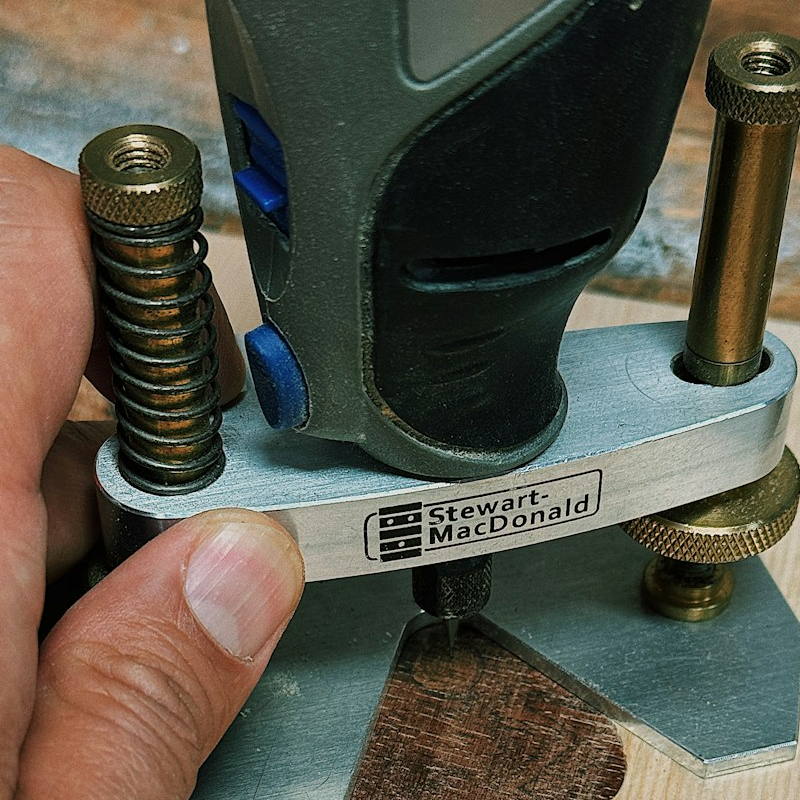
The installation of clinch studs and nuts is a straightforward process. Here’s a step-by-step guide:
- Preparation: Begin by preparing the sheet metal. This involves drilling or punching a hole that matches the size of the clinch stud or nut.
- Positioning: Place the clinch stud or nut into the prepared hole.
- Pressing: Using a press or similar tool, apply force to the fastener. This deforms the base of the fastener, causing it to clinch onto the sheet metal securely.
- Verification: Check the installation to ensure the fastener is flush with the surface and securely attached.
Choosing the Right Clinch Studs and Nuts
When selecting clinch studs and nuts for a particular application, consider the following factors:
Material Compatibility
Choose fasteners made from materials compatible with the workpiece to prevent galvanic corrosion. Common materials include stainless steel, aluminum, and zinc-plated steel.
Load Requirements
Consider the load the fastener will need to support. Ensure the selected fastener can withstand the expected stress and strain.
Environmental Conditions
If the fastener will be exposed to harsh environmental conditions, such as moisture or chemicals, select fasteners with appropriate coatings or made from corrosion-resistant materials.
Conclusion
Clinch studs and nuts are vital components in many industrial applications, offering a robust and reliable fastening solution. Their durability, strength, and ease of installation make them a preferred choice in industries ranging from automotive to aerospace.
By understanding the applications and benefits of clinch studs and nuts, you can make informed decisions when selecting fasteners for your projects. Whether you’re working in manufacturing, electronics, or any field that requires secure fastening, clinch studs and nuts provide the performance and reliability you need.
