
Understanding Clinch Stud Standards in Manufacturing
Clinch studs are essential in modern manufacturing. They offer a reliable way to attach components to thin metal sheets.
These fasteners are pressed into pre-punched holes, ensuring a secure and permanent fit. The clinch stud standard plays a crucial role in maintaining uniformity across manufacturers.
This standard ensures consistency in size, material, and performance. It is vital for industries like automotive, aerospace, and electronics.
Understanding these standards helps in selecting the right fastener for specific applications. It also aids in maintaining quality control and compatibility.
This guide will explore clinch stud standards, their applications, benefits, and specifications. Dive in to learn more about these indispensable fasteners.
What Is a Clinch Stud?
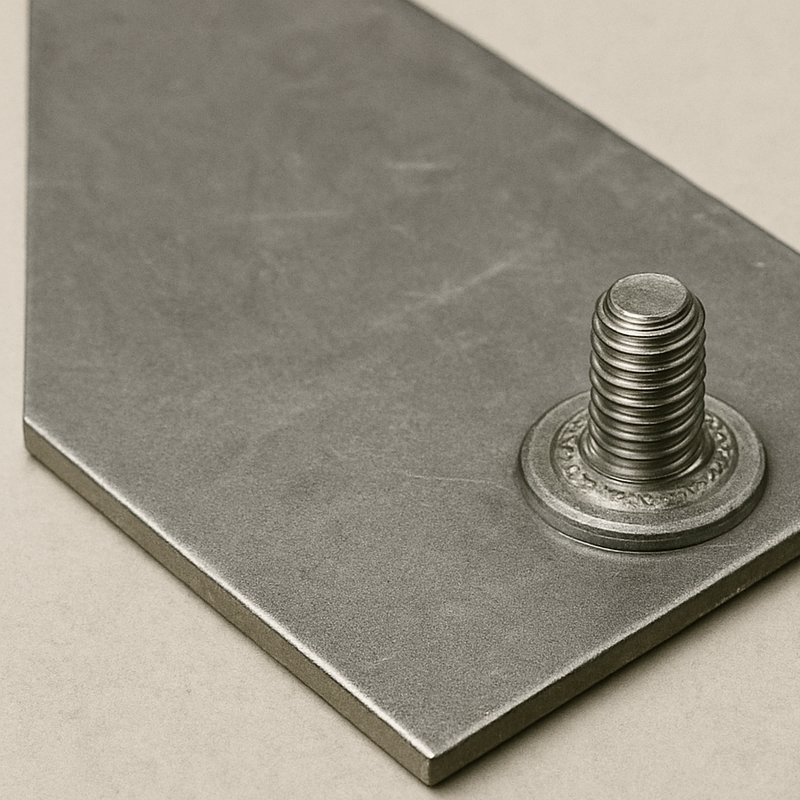
A clinch stud is a specialized fastener used in thin metal applications. It ensures firm attachment by pressing into a hole in the sheet.
These studs are designed to deliver a flush finish on one side. This is helpful for both aesthetic and functional purposes. Various industries, including electronics, rely on them for secure fittings.
Key features of clinch studs include:
- Secure and permanent attachment
- Variety of sizes and thread types
- High torque-out and push-out resistance
To visualize, imagine a thin stud pressed into a metal panel. The stud looks like a bolt with threads extending from one side. Unlike bolts, they don’t pass completely through the material. Instead, they enhance sheet strength with minimal footprint.
The Importance of Clinch Stud Standards
Clinch stud standards play a crucial role in manufacturing. They ensure consistency and reliability across various industries. By setting the benchmarks for size and material, these standards ensure compatibility.
Manufacturers adhere to these standards to maintain quality. This adherence minimizes the risk of product failure. It also allows for seamless integration into multiple applications.
Consider these advantages of clinch stud standards:
- Uniformity in size and specifications
- Quality control across manufacturers
- Compatibility with existing manufacturing processes
Adhering to the clinch stud standard is not just about compliance. It also drives innovation. Standard guidelines also cover testing, ensuring that studs perform under various conditions. This creates a reliable fastening solution.
Common Materials and Types of Clinch Studs
Clinch studs are crafted from various materials. The choice often depends on the intended application. Popular options include stainless steel, aluminum, and carbon steel.
Each material offers distinct properties. Stainless steel provides corrosion resistance and strength. Aluminum is lightweight yet durable, while carbon steel excels in cost-efficiency.
Understanding the types of clinch studs is essential for selecting the right one. Here are some common types:
- Threaded clinch studs for secure attachments
- Unthreaded studs for alignment and stability
- Miniature studs for tight spaces
These materials and types fulfill specific needs in manufacturing. The correct choice ensures optimal performance and longevity. Selecting the appropriate type and material enhances the reliability of the assembly.
Applications of Clinch Studs in Manufacturing
Clinch studs play a vital role in diverse industries. Their versatility makes them suitable for many applications. Common sectors include automotive, aerospace, and electronics.
In these industries, clinch studs are essential for secure assembly. Here’s a list of typical uses:
- Securing panels in vehicle bodies
- Attaching components in electronic devices
- Fastening parts in aircraft construction
The benefits of clinch studs, such as reduced assembly time and low cost, enhance their appeal. Their ability to provide a flush finish is also appreciated for aesthetic reasons. Using clinch studs can improve efficiency and build quality in manufacturing processes.
Installation Process and Best Practices
Installing a clinch stud involves precision and care. A successful installation ensures a strong and reliable bond. The process typically begins with preparing a pre-punched hole in the sheet metal.
Using a press, the stud clinches into the material. This is done by applying sufficient force to embed the stud without deforming it. Proper alignment during pressing is crucial to maintain strength and integrity.
To ensure optimal results, follow these best practices:
- Verify hole dimensions for compatibility
- Ensure proper alignment during installation
- Use appropriate pressing tools for even force distribution
Adhering to these practices can prevent failures and ensure a secure fit. The quality of installation affects both the performance and lifespan of the clinch stud. Consistent quality control checks should be incorporated into the installation process.
Key Specifications and Testing Guidelines
Understanding clinch stud specifications is key for proper application. These specs detail size, material, and thread type. Each must be selected based on specific manufacturing needs.
Testing is vital to ensure clinch stud performance. Rigorous testing checks the stud’s resistance to torque-out and push-out forces. These tests confirm the strength and durability under stress. Testing verifies the reliability of the clinch stud in real-world conditions.
Key specifications and guidelines generally include:
- Standard dimensions for hole size and stud length
- Material compatibility and corrosion resistance
- Performance tests for mechanical strength
Following these guidelines ensures the clinch stud meets industry standards. Proper adherence to specifications helps maintain product quality and efficiency in manufacturing processes.
Benefits of Using Standardized Clinch Studs
Standardized clinch studs offer numerous advantages in manufacturing. They simplify the assembly process, reducing the chances of errors. By following consistent standards, manufacturers can ensure compatibility across different projects and clients.
Standardization also enhances quality control, facilitating the maintenance of high standards in production. Moreover, using standardized clinch studs can lead to cost savings and increased efficiency.
Key benefits include:
- Consistency in quality and performance
- Simplified inventory management
- Reduced tooling and setup time
Implementing standardized studs supports streamlined operations, ultimately benefiting both manufacturers and end-users alike.
Innovations and Future Trends in Clinch Stud Technology
The field of clinch stud technology is evolving with innovative designs enhancing efficiency and application range. New materials and coatings are expanding usage in challenging environments, offering better corrosion resistance and durability. Additionally, automation advancements are streamlining installation processes, further reducing assembly time and increasing precision in various industries.
Conclusion
Understanding clinch stud standards is crucial for ensuring quality and efficiency in manufacturing. By selecting the right materials and following standardized guidelines, manufacturers can optimize performance, improve product reliability, and streamline assembly processes across various industries.
