
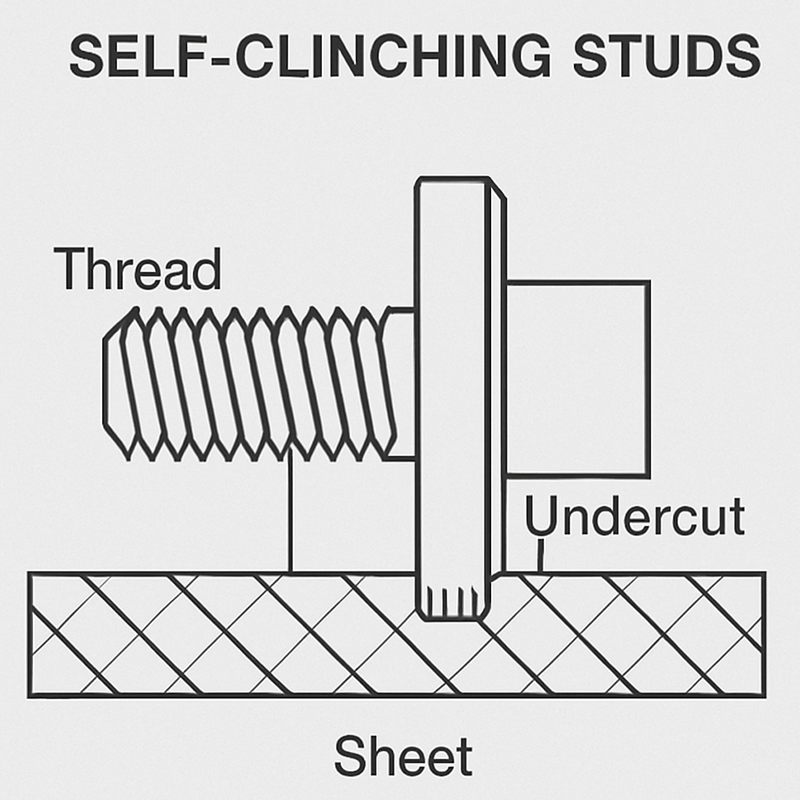
Self Clinching Studs Quality Fasteners for Load Bearing Applications
Self clinching studs are a type of fastener that is embedded into a metal sheet to create a secure, permanent thread. Unlike traditional fasteners, these studs do not require welding or additional hardware for installation. Instead, they are pressed into a pre-punched hole, and the material around the hole deforms to lock the stud in place. This process results in a strong, vibration-resistant bond that can withstand significant load. The simplicity of their installation and the robustness of the connection they provide make them invaluable in high-stress environments, where failure is not an option.
The self clinching process enhances the strength of the joint by distributing stress over a larger area, reducing the risk of fatigue and failure. This method of fastening is particularly advantageous in applications where space is limited and the integrity of the metal sheet must be maintained. The deformation of the surrounding material during installation not only secures the stud but also reinforces the area, providing additional load-bearing capacity. As a result, self clinching studs become integral components in designs that require high precision and durability.
Advantages of Self Clinching Studs
Self clinching studs offer several advantages over traditional fastening methods:
- Strength and Durability: The design of self clinching studs ensures that they can handle substantial loads without failing. Their ability to distribute stress over a larger area reduces the risk of material fatigue and breakage. This makes them ideal for use in critical applications where reliability is paramount, such as in structural components of vehicles or aircraft.
- Ease of Installation: These studs can be installed quickly and easily, reducing assembly time and labor costs. The installation process does not require specialized tools, making it accessible for various applications. This simplicity not only speeds up production lines but also minimizes the potential for installation errors, ensuring a consistent quality of assembly.
- Vibration Resistance: Once installed, self clinching studs provide a vibration-resistant connection, making them ideal for applications subject to movement or shock. This characteristic is crucial in environments like automotive and aerospace, where components are frequently subjected to dynamic forces.
- Cost-Effectiveness: By eliminating the need for additional hardware or welding, self clinching studs can reduce overall production costs. The reduction in assembly time and labor, combined with the longevity of the fastening solution, contributes to significant cost savings over the product lifecycle.
Applications of Self Clinching Studs
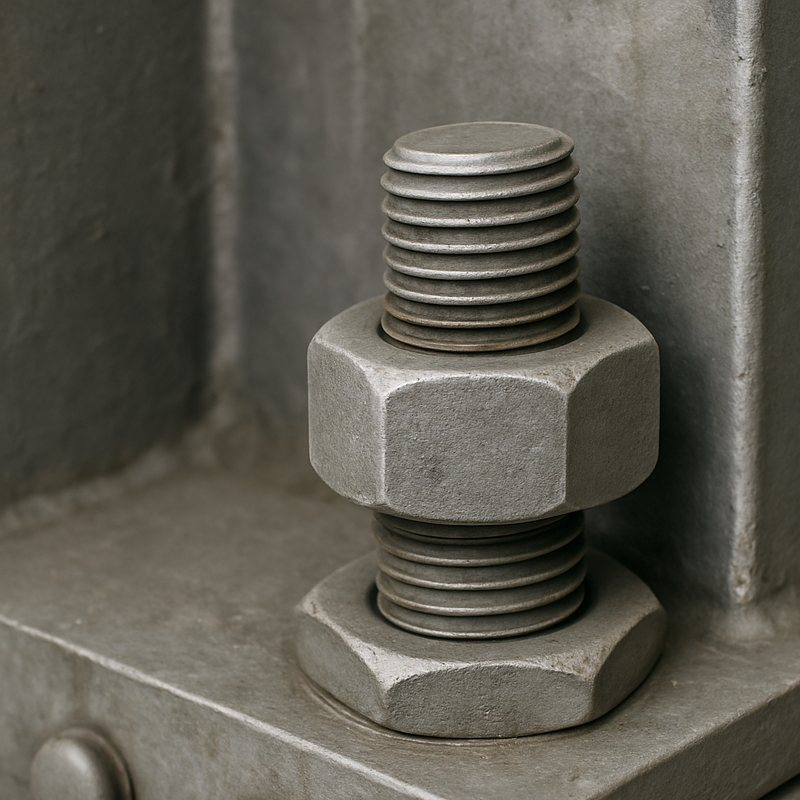
Self clinching studs are versatile and can be used in many industries where reliable fastening is crucial. Their unique properties make them suitable for a wide range of applications, from heavy machinery to delicate electronic devices.
Automotive Industry
In the automotive sector, self clinching studs are used to secure components such as engine covers, electrical panels, and bodywork. Their vibration resistance and strength make them perfect for vehicles that experience constant movement and stress. By providing a durable and stable connection, they help ensure the safety and performance of the vehicle over its lifetime. Additionally, their ease of installation supports the industry’s demand for efficient production processes, reducing downtime and maintaining consistent quality across manufacturing lines.
Aerospace Industry
The aerospace industry requires fasteners that can withstand extreme conditions. Self clinching studs are used in aircraft assembly to hold panels and other structural components securely, ensuring safety and reliability during flight. Their resilience to temperature variations and mechanical stress is critical in maintaining the structural integrity of aircraft. This makes them indispensable in a sector where material failure is not an option, and the highest safety standards must be met.
Electronics Industry
For electronic devices, maintaining a secure connection is vital to prevent malfunctions. Self clinching studs are used to attach circuit boards and other components, providing a stable foundation that withstands regular handling and operation. Their compact size and reliability make them ideal for the intricate assemblies found in modern electronics, where space is at a premium and the connections must be flawless.
Construction and Infrastructure
Self clinching studs are also used in construction projects for attaching façade panels, handrails, and other fixtures. Their ability to bear significant loads makes them suitable for various structural applications. In construction, where durability and strength are paramount, these studs ensure that structural elements remain securely fastened, even under changing weather conditions or heavy use.
Choosing the Right Self Clinching Stud
Selecting the appropriate self clinching stud for your application involves considering several factors:
- Material Compatibility: Ensure that the stud material is compatible with the sheet metal to avoid corrosion or galvanic reactions. This is crucial in preventing long-term degradation and ensuring the longevity of the connection. Understanding the metallurgical properties of both the stud and the base material will guide you in selecting the most suitable combination.
- Load Requirements: Determine the load that the stud needs to support and choose a size and type that meets or exceeds these requirements. The correct choice will ensure that the connection remains stable even under maximum load conditions, preventing potential failures.
- Environment: Consider the environmental conditions the fastener will be exposed to, such as temperature, humidity, and chemical exposure, and select a stud that can withstand these factors. Environmental considerations are critical in selecting a stud that will maintain its integrity over time, regardless of external conditions.
- Installation Requirements: Evaluate the installation process and ensure that the stud can be installed with the available equipment and expertise. Ensuring compatibility with existing manufacturing processes can prevent costly modifications and streamline production.
Installation Process
Installing self clinching studs is a straightforward process that involves a few key steps:
- Prepare the Metal Sheet: Begin by pre-punching a hole in the metal sheet where the stud will be installed. The hole size should match the specifications for the chosen stud. Correct hole preparation is crucial for ensuring a secure fit and optimal performance.
- Align the Stud: Position the stud over the hole, ensuring it is perpendicular to the sheet surface. Proper alignment is critical to ensure that the stud is installed correctly and will hold the intended load without tilting or failing.
- Apply Pressure: Using a press, apply even pressure to the stud until it is fully seated in the hole. The surrounding metal will deform, locking the stud in place. This step ensures a secure and permanent fit, which is essential for maintaining the integrity of the connection under load.
- Verify the Installation: Check that the stud is securely fastened and that there is no movement or play. Verification helps confirm that the installation has been successful and that the stud will perform as expected in its application.
Conclusion
Self clinching studs are a reliable and efficient fastening solution for load-bearing applications. Their strength, ease of installation, and versatility make them a popular choice across various industries. By understanding the benefits and proper application of these threaded inserts, you can enhance the quality and durability of your projects, ensuring long-lasting, secure connections. The integration of self clinching studs into your designs can lead to improved product performance and reduced maintenance needs.
Whether you’re working on automotive assemblies, aerospace structures, electronic devices, or construction projects, self clinching studs provide the reliability and performance you need. Consider incorporating these fasteners into your designs to achieve superior results with every application. By doing so, you not only meet the demands of modern engineering challenges but also position your products for success in a competitive market.
