
Master Tight Spaces Fast The Secret Weapon of Self-Clinching Stud Hand Tools

Self-clinching stud hand tools are specialized devices designed to embed clinching fasteners into sheet metal or other thin materials. These tools are engineered to work seamlessly in environments where traditional fastening methods fail due to space constraints or material limitations. This process involves pressing the fastener into a pre-punched hole, allowing the displaced material to flow into a recess in the fastener, thus securing it firmly without the need for additional welding or gluing. The precision design of these tools ensures that they can be used repeatedly with consistent results, making them invaluable in high-volume production settings.
How Do They Work?
The operation of self-clinching stud hand tools is straightforward yet ingenious. The tool applies pressure to the fastener, embedding it into the material with precision. The fastener’s design ensures that it locks in place as the surrounding material fills the recesses, creating a robust hold. This method is especially useful in applications where welding is impractical or where heat could damage sensitive materials. Additionally, because the process does not rely on external heat or adhesives, it is ideal for use in environments where temperature control is critical or where chemical exposure must be minimized.
Benefits of Using Self-Clinching Stud Hand Tools
Efficiency and Speed
One of the most significant advantages of using these tools is the speed and efficiency they bring to assembly processes. Unlike traditional methods that may require multiple steps, self-clinch fasteners can be installed in a single motion. This efficiency not only saves time but also reduces labor costs, allowing production lines to operate at a higher throughput. The ease of use also means that less training is required for operators, further enhancing productivity and reducing the likelihood of errors.
Versatility in Applications
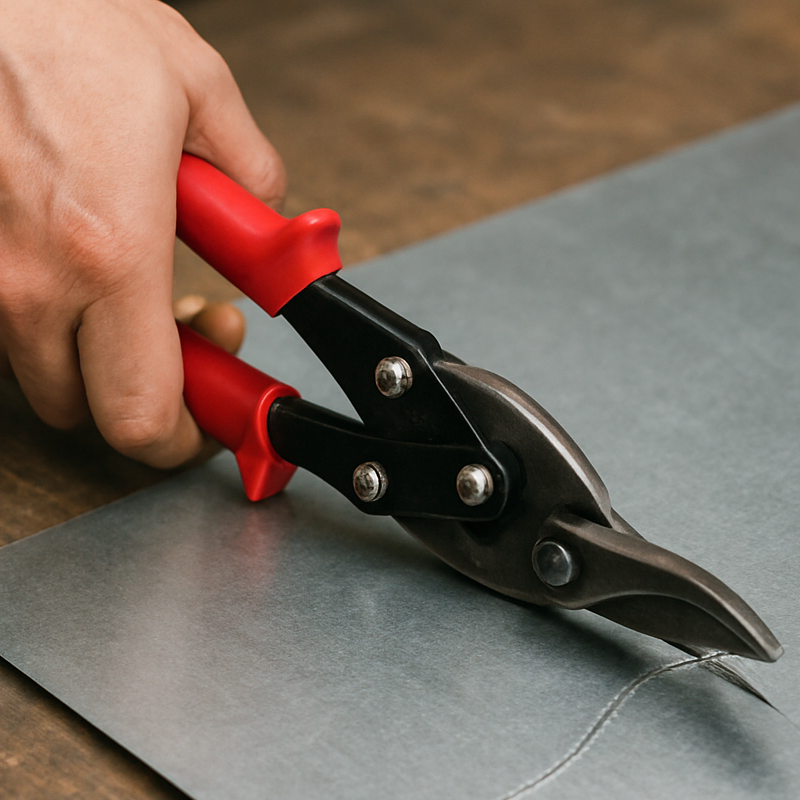
Self-clinching stud hand tools are incredibly versatile. They are used in various industries, including automotive, aerospace, electronics, and more. Whether you’re working with aluminum, steel, or even plastic, these tools can handle the task, providing a reliable fastening solution for a range of materials and thicknesses. The adaptability of these tools means they can be used for diverse projects, from constructing heavy machinery to assembling delicate electronic devices, without compromising on the quality of the fastening.
Enhanced Strength and Durability
The design of clinching fasteners ensures that they offer superior strength compared to other fastening methods. The material’s flow into the fastener’s recesses creates a bond that is both durable and resistant to loosening over time, even under vibration or stress. This robustness is particularly beneficial in applications where reliability is critical, such as in structural components or safety equipment. Moreover, the secure attachment provided by these fasteners helps minimize maintenance needs and extends the lifespan of the assembled product.
Cost-Effectiveness
By eliminating the need for secondary operations like welding or adhesives, self-clinching stud hand tools reduce the overall cost of assembly. Additionally, their durability means fewer replacements and repairs, further lowering long-term expenses. The initial investment in these tools is often offset by the savings in operational costs, making them an economically sound choice for businesses looking to optimize their production processes. Their ability to streamline assembly also means that projects can be completed faster, freeing up resources for additional tasks.
Key Applications of Self-Clinching Stud Hand Tools
Electronics Assembly
In the electronics industry, space is often limited, and components are delicate. Self-clinching studs provide a secure, low-profile fastening solution that does not compromise the integrity of sensitive electronic parts. Their use ensures that connections remain stable, preventing potential damage due to loose components or electrical shorts. Furthermore, the non-invasive nature of these fasteners makes them suitable for use in areas where traditional fasteners might cause interference or damage.
Automotive Industry
Automotive assembly demands precision and reliability. Self-clinching fasteners meet these demands by offering strong, vibration-resistant bonds that are crucial in vehicle manufacturing. The automotive industry benefits from the reduced weight and increased strength of these fasteners, which contribute to improved fuel efficiency and vehicle performance. Additionally, their resistance to environmental factors such as corrosion ensures that they remain effective throughout the vehicle’s lifespan, enhancing safety and reliability.
Aerospace Engineering
The aerospace sector requires fasteners that can withstand extreme conditions. Self-clinching studs are ideal due to their robust attachment and resistance to environmental factors like temperature fluctuations and pressure changes. Their application in aerospace components ensures that aircraft can endure the rigors of flight, maintaining structural integrity and safety. The lightweight nature of these fasteners also contributes to the overall efficiency and performance of aerospace vehicles, making them a preferred choice in this demanding industry.
Selecting the Right Self-Clinching Stud Hand Tool
When choosing a self-clinching stud hand tool, consider the following factors to ensure optimal performance:
Material Compatibility
Select a tool that is compatible with the material you’re working with. Some tools are specifically designed for metals, while others can handle a variety of substrates, including plastics and composites. Understanding the material properties and the specific requirements of your project will guide you in selecting the appropriate tool, ensuring that the fastening process is both effective and efficient.
Fastener Size and Type
Ensure the tool you choose can accommodate the specific size and type of fastener you intend to use. This includes considering the diameter, length, and design of the fastener to match your project’s requirements. Having the right tool for the fastener ensures a secure fit and prevents potential issues such as misalignment or inadequate fastening, which can lead to structural failures.
Ergonomics and Ease of Use
Look for tools that offer ergonomic designs to reduce operator fatigue, especially if you’ll be using them for extended periods. Features like comfortable grips and intuitive controls can make a significant difference in productivity. Ergonomically designed tools not only enhance user comfort but also improve precision, reducing the risk of errors during assembly and increasing overall output quality.
Maintenance and Care for Longevity
To extend the life of your self-clinching stud hand tools, regular maintenance is essential. Clean the tools after use to prevent the buildup of debris and lubricate moving parts to ensure smooth operation. Regularly inspect the tools for signs of wear and replace any damaged components promptly to maintain optimal performance. Implementing a consistent maintenance routine not only prolongs the lifespan of the tools but also ensures that they continue to deliver reliable results in every application.
Conclusion
Self-clinching stud hand tools are a game-changer for working in tight spaces. Their ease of use, strength, and versatility make them indispensable in a variety of industries. By choosing the right tool and maintaining it properly, you can ensure reliable, long-lasting fastening solutions for your projects. Consider integrating these tools into your workflow to enhance efficiency and quality in your assembly processes. With the right self-clinching stud hand tool at your disposal, mastering tight spaces becomes a straightforward task, empowering you to tackle complex projects with confidence and precision. The strategic use of these tools can lead to improved product quality, reduced production times, and significant cost savings, making them an invaluable asset in any manufacturing environment.
