
Choosing the Right Self Clinching Stud Tool
When it comes to fastening solutions that offer strength, reliability, and durability, self clinching studs stand out as a top choice. Whether you’re in the manufacturing industry or a DIY enthusiast, understanding how to choose the right self clinching stud tool is crucial for successful installation. In this guide, we’ll break down the essential aspects you need to consider when selecting the ideal tool for your needs.
Understanding Self Clinching Studs
Before diving into the tools, let’s first understand what self clinching studs are and why they are so widely used.
What are Self Clinching Studs?
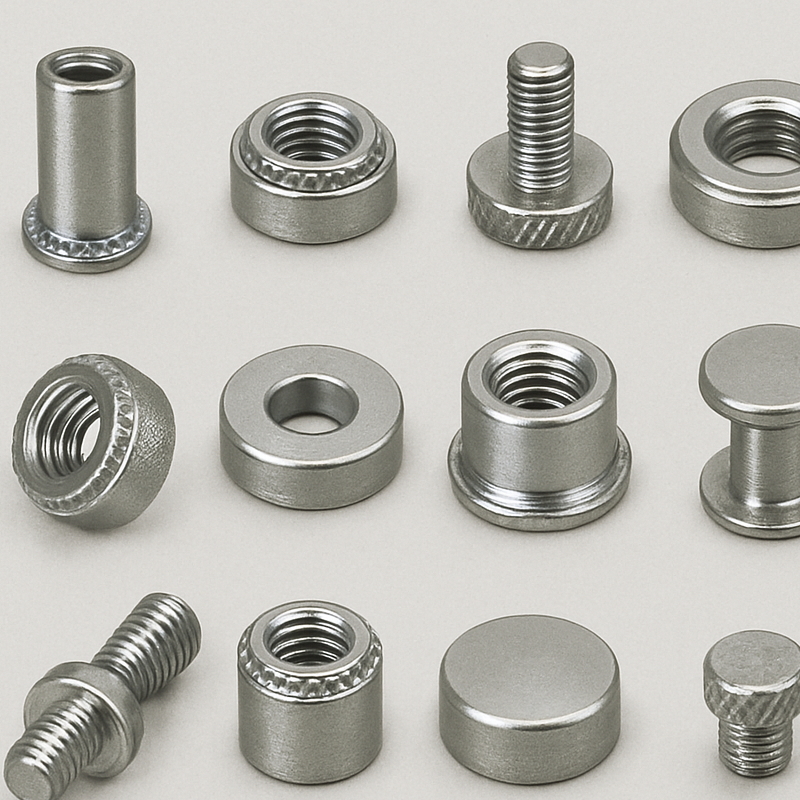
Self clinching studs are threaded fasteners that, when pressed into a ductile metal like steel or aluminum, create a flush, permanent fixture. Unlike traditional screws or bolts, these fasteners become part of the material, which ensures a robust hold that can withstand significant stress and vibration. They’re commonly used in electronics, automotive, and various industrial applications where a secure and long-lasting attachment is necessary.
The design of self clinching studs allows them to integrate seamlessly into the workpiece, eliminating the need for additional hardware. This integration not only reduces the overall weight of the assembly but also enhances its mechanical strength. Moreover, the use of self clinching studs minimizes the risk of loosening over time, a common issue with traditional fasteners subjected to dynamic loads.
Benefits of Using Self Clinching Studs
- Strength and Durability: Self clinching studs provide a solid and reliable fastening solution that can withstand harsh conditions. The integration of the stud into the material means that it won’t easily dislodge or fail under pressure.
- Flush Finish: One of the most aesthetic advantages is the flush finish these studs provide. They sit evenly with the surface, making them ideal for applications where a smooth, unobtrusive appearance is desirable. This is particularly important in industries like electronics, where space and appearance matter significantly.
- Ease of Installation: With the right tool, installing these studs is straightforward and quick. This ease of installation not only saves time but also reduces labor costs, making them an economical choice for large-scale projects.
- Versatility Across Applications: The adaptability of self clinching studs makes them suitable for a wide range of applications, from small electronic devices to large automotive components. This versatility means that a single type of fastener can meet multiple needs, simplifying inventory management.
- Environmentally Friendly: By reducing the need for additional parts and simplifying assembly processes, self clinching studs contribute to more sustainable manufacturing practices. They help reduce waste and can be a part of eco-friendly production strategies.
Choosing the Right Tool
The key to achieving a successful and efficient installation of self clinching studs lies in selecting the right tool. There are several factors to consider, including the type of tool, the material of the workpiece, and the stud size.
Types of Self Clinching Stud Tools
There are a few primary types of tools used for installing self clinching studs. Each type offers distinct advantages and is suited to specific needs and scales of operation.
Hand Tools
Hand tools are a cost-effective and straightforward solution for small-scale or occasional projects. They usually consist of a simple press or a hammer and anvil setup. While they are affordable and easy to use, they require more manual effort and precision from the operator.
For DIY enthusiasts or small workshops, hand tools are often the go-to choice due to their simplicity and low cost. However, it’s important to note that their efficiency is heavily dependent on the skill and experience of the user. Precision in manual operations can be challenging, especially for beginners, which can sometimes lead to inconsistencies in installation quality.
Hand tools are also portable, making them an excellent choice for on-site repairs or installations where access to power sources is limited. Despite their limitations, the ability to perform installations without needing complex machinery makes them a valuable tool in many scenarios.
Pneumatic Presses
Pneumatic presses offer a more automated solution, perfect for larger-scale operations or repetitive tasks. They use air pressure to apply consistent force, ensuring a reliable installation every time. These tools are more expensive but provide higher efficiency and precision.
The consistency offered by pneumatic presses is one of their most significant advantages. By automating the force application process, these tools drastically reduce the likelihood of human error, leading to more uniform and reliable installations. This makes them particularly advantageous in production environments where speed and accuracy are paramount.
Moreover, pneumatic presses can often be adjusted to accommodate different stud sizes and materials, offering flexibility in their use. However, they do require a source of compressed air, which can add to the operational costs and complexity of setup.
Hydraulic Presses
Hydraulic presses are the most powerful and precise option, ideal for heavy-duty industrial applications. They use hydraulic fluid to generate substantial force, enabling them to handle larger studs or tougher materials. While they are the most costly, their performance in demanding environments is unmatched.
In environments where precision and strength are non-negotiable, hydraulic presses are the preferred choice. Their ability to exert immense force with high precision makes them suitable for challenging installations that other tools can’t handle. This capability is crucial in industries such as automotive and aerospace, where component integrity is critical.
The investment in hydraulic presses often pays off in terms of enhanced productivity and reduced defect rates. However, they require regular maintenance to ensure optimal performance, and their complexity means that only trained operators should handle them to avoid potential safety hazards.
Consider the Material
The material of your workpiece plays a significant role in determining the right tool. Softer materials like aluminum may only require a hand tool or a pneumatic press, while harder materials such as steel might necessitate a hydraulic press to ensure proper installation without damaging the workpiece.
Matching the tool to the material ensures that the installation is both effective and efficient. Using a tool that’s too powerful for the material can cause deformation or damage, compromising the integrity of the workpiece. Conversely, using a tool that’s too weak can lead to incomplete installations or the need for rework, both of which can be costly.
Understanding the material’s properties and the tool’s capabilities can help prevent these issues. It’s also important to consider any coatings or treatments on the material, as these can affect how the stud is installed and the tool needed for the job.
Stud Size Matters
The size of the self clinching stud also influences the tool choice. Smaller studs can often be installed with hand tools, but larger ones, especially those that require significant force, are better suited for pneumatic or hydraulic presses.
The correlation between stud size and tool choice is primarily about the force required for installation. Larger studs typically need more force to be installed correctly, which manual tools may not be able to provide consistently. By using a tool that matches the stud size, you ensure that each installation is secure and meets the required specifications.
Additionally, using the right tool for the stud size can reduce wear and tear on the tool itself, prolonging its lifespan and maintaining performance levels over time. It’s essential to consult the manufacturer’s recommendations regarding tool compatibility with different stud sizes to optimize your setup.
Features to Look for in a Stud Installation Tool
When selecting a self clinching stud tool, there are several features to consider ensuring you get the best results:
Ease of Use
Especially if you’re new to using self clinching fasteners, choosing a tool that is user-friendly is essential. Look for tools with clear instructions and minimal setup requirements.
User-friendly tools can significantly reduce the learning curve associated with installing self clinching studs. Tools that come with comprehensive guides or tutorials can help new users quickly become proficient, reducing the likelihood of errors. Additionally, intuitive designs that simplify adjustments and operations can enhance productivity and reduce operator fatigue.
It’s also beneficial to choose tools that require minimal maintenance, as this can save time and resources in the long term. Features such as quick-change components or self-lubricating mechanisms can also contribute to ease of use and efficiency.
Durability
Invest in a tool made from high-quality materials that can withstand repeated use without wearing out quickly. This ensures a longer lifespan and better return on investment.
Durability is a critical factor, especially in industrial settings where tools are used extensively. High-quality construction materials, such as hardened steel or reinforced alloys, can withstand the rigors of daily use and reduce the frequency of replacements. A durable tool not only ensures consistent performance but also enhances safety by reducing the risk of tool failure during operation.
Additionally, tools that are resistant to corrosion and environmental factors can offer extended service life, especially in challenging industrial environments. Regular maintenance and proper storage also play a crucial role in maintaining tool durability.
Versatility
Some tools are designed to work with various stud sizes and types. Opt for versatile tools if you work with different fasteners, as they offer greater flexibility and convenience.
A versatile tool can be a valuable asset in a dynamic work environment where different projects may require different fasteners. Tools that allow for quick adjustments or the use of interchangeable components can adapt to varying requirements without the need for multiple specialized tools. This versatility can lead to cost savings and improved workflow efficiency.
Moreover, a versatile tool can also be more future-proof, as it can accommodate new or different types of fasteners that may be introduced over time. This adaptability can help businesses stay competitive and responsive to changing industry standards.
Precision and Consistency
For professional applications, consistency is key. Pneumatic and hydraulic presses typically offer more precise control over the force applied, resulting in uniform installations across multiple studs.
The precision offered by advanced tools ensures that each installation meets exacting standards, reducing the need for rework and enhancing the overall quality of the finished product. Consistent installations also contribute to the structural integrity of assemblies, which is crucial in critical applications such as aerospace or medical equipment.
Advanced tools often feature adjustable settings that allow operators to tailor the force and speed of installation to specific requirements. This level of control not only improves the quality of installations but also minimizes the risk of damage to the workpiece or the fastener itself.
Tips for Successful Installation
To ensure your self clinching studs are installed correctly, consider these practical tips:
Prepare the Workpiece
Ensure the metal surface is clean and free of debris, as this can affect the installation. Contaminants such as dirt, oil, or metal shavings can interfere with the stud’s ability to grip the material properly, leading to weak or faulty installations.
Proper preparation includes cleaning the workpiece with suitable solvents or solutions to remove any residues. In some cases, surface treatments or coatings may need to be applied to enhance the bond between the stud and the material. Taking the time to prepare the workpiece thoroughly can prevent issues down the line and ensure a more reliable outcome.
Align Properly
Misalignment can lead to improper installation or damage. Always double-check the alignment of the tool and stud. Proper alignment ensures that the stud is installed perpendicular to the surface, which is critical for achieving maximum strength and durability.
Using alignment guides or fixtures can help maintain accuracy during the installation process, especially when working with multiple studs. These tools can reduce the likelihood of human error and improve overall efficiency. Regular calibration and maintenance of alignment tools are also essential to ensure their effectiveness.
Use the Correct Force
Applying too much or too little force can lead to failure. Ensure your tool is set to the correct pressure or force setting for the stud size and material. Overdriving the stud can cause deformation or damage, while insufficient force may result in a weak attachment.
Consulting the manufacturer’s guidelines for recommended force settings can help achieve optimal results. Adjustable tools that allow precise control over force application are particularly beneficial, as they can be tailored to specific requirements and materials. Regular testing and calibration of these settings can maintain consistency and prevent potential issues.
Practice Makes Perfect
If you’re new to using these tools, practice on scrap material first to get a feel for the process. Familiarizing yourself with the tool’s operation and the installation technique can build confidence and improve accuracy.
Practicing on scrap material allows you to experiment with different settings and techniques without risking damage to the actual workpiece. This hands-on experience can also help identify potential issues or areas for improvement, leading to more efficient and effective installations. Over time, practice can refine your skills and enhance your ability to deliver high-quality results.
Conclusion
Choosing the right self clinching stud tool is vital for achieving a secure and professional result. By understanding the types of tools available and considering factors such as material, stud size, and desired features, you can make an informed decision that meets your specific needs. Whether you opt for a simple hand tool or a sophisticated hydraulic press, the right tool will ensure your self clinching studs are installed with precision and durability.
With this guide, you’re now well-equipped to select the perfect tool for your next project, ensuring strong and reliable fastenings every time. Happy fastening!
