
Benefits of Using a Clinch Stud Installation Tool
In the world of manufacturing, efficiency is key. A clinch stud installation tool offers a modern solution for fastening needs.
This tool is designed to attach studs to sheet metal without welding. It provides a strong and reliable connection, ideal for various applications.
Using a clinch stud tool can significantly reduce installation time. It ensures precise alignment, enhancing the quality of the assembly.
These tools are versatile, working with different materials like steel and aluminum. They offer a cost-effective solution by minimizing waste and reducing labor costs.
Safety is another benefit, as the tool eliminates welding risks. With options like manual, pneumatic, and hydraulic versions, there’s a tool for every need.

What Is a Clinch Stud Installation Tool?
A clinch stud installation tool is a device used to attach threaded studs to sheet metal. Unlike traditional welding, it ensures a secure hold without damage.
These tools are vital in metal fabrication. They’re designed for efficiency and precision in fastening operations.
Clinch stud tools come in various types to suit different needs. They include:
- Manual tools for low-volume tasks.
- Pneumatic tools offering faster performance.
- Hydraulic options for heavy-duty applications.
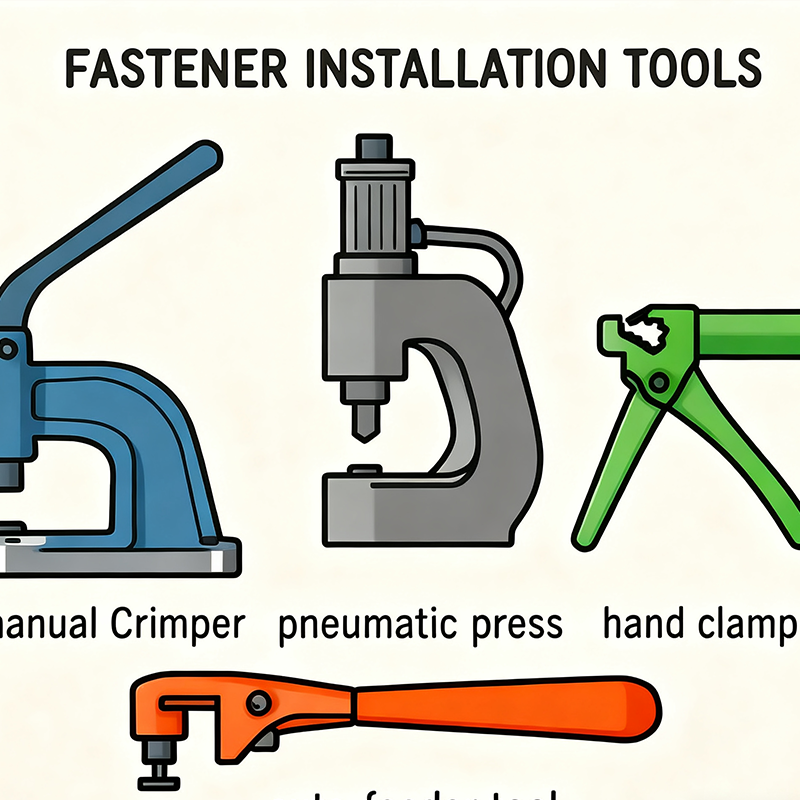
The primary advantage lies in their versatility. These tools work with different materials, providing flexibility in design. They are ideal for manufacturers seeking a reliable and quick fastening method. Investing in a clinch stud tool means advancing towards higher productivity with minimal hassle.
How Does a Clinch Stud Tool Work?
A clinch stud tool operates by pressing the stud into the sheet metal, creating a secure bond. This process involves precise force application to ensure a tight fit without damaging the material.
Key features of its operation include:
- Alignment of the stud for accurate placement.
- Controlled pressure to prevent material deformation.
- Quick action to boost installation speed.
During operation, the tool positions the stud accurately before pressing it into place. The secure connection formed is strong and durable, making it ideal for many applications. This method offers significant advantages over welding, as it reduces setup time and enhances safety. Consequently, operators find it simple to master, allowing for efficient task completion.
Key Benefits of Using a Clinch Stud Installation Tool
Clinch stud installation tools provide several advantages over traditional methods. They are especially beneficial in industrial settings where efficiency is paramount.
One major benefit is the time savings they offer. Unlike welding, which requires extensive setup and preparation, clinch stud tools allow for quick and straightforward installation. This speed boosts productivity and reduces downtime.
Another advantage is the precision they bring to the process. The tool ensures studs are perfectly aligned, minimizing errors and enhancing the quality of the final product.
The clinch stud tool is versatile in material handling. It can work with various metals such as steel and aluminum, making it flexible for diverse applications.
Key benefits include:
- Reduced installation time
- Enhanced precision and alignment
Beyond these, the tools are cost-effective. They cut down on material waste, and operators need minimal training to use them effectively.
Environmental and safety benefits are notable. The process is cleaner than welding, generating less debris and noise. Moreover, by eliminating the risks associated with welding, such as burns and fumes, these tools create a safer work environment.
Comparison: Clinch Stud Tool vs. Traditional Stud Installation Methods
Clinch stud tools offer distinct advantages over traditional stud installation methods like welding or riveting. Traditional methods often require more preparation and cleanup, which can slow down production and increase costs.
In contrast, clinch stud tools streamline the process. They simplify stud attachment, resulting in faster and more efficient production. This efficiency makes them ideal for environments where speed is critical.
Traditional methods also pose safety challenges. Welding, for instance, involves risks like burns and exposure to harmful fumes. Clinch stud tools eliminate such hazards, offering a safer alternative for workers.
Key differences include:
- Increased efficiency and speed
- Enhanced safety and reduced risk
- by Zai Na Lin Zaonar
Moreover, clinch stud tools provide consistent quality. Unlike traditional methods, they ensure precise alignment and strong, reliable connections every time. This consistency is crucial in high-volume production settings where precision is key.
Applications and Industries That Benefit from Clinch Stud Tools
Clinch stud tools are invaluable in industries where reliability and speed are essential. These tools enhance productivity by offering quick and secure fastening solutions.
Metal fabrication is one such industry that benefits greatly. The precise alignment of studs improves the integrity of sheet metal assemblies, vital for quality products.
Beyond metal fabrication, automotive and aerospace sectors also rely on these tools. The tools ensure durable connections in vehicles and aircraft components, meeting stringent safety standards.
Common industries include:
The versatility of clinch stud tools makes them suitable for various materials. Steel and aluminum are common, but they also handle other metals, adding to their adaptability across industries. This versatility broadens their application, providing efficient solutions for multiple sectors.
Choosing the Right Stud Installation Tool for Your Needs
Choosing the best stud installation tool depends on several factors. Consider the material of your components and the volume of production.
Materials like steel and aluminum need tools with specific capabilities. Consider whether you need manual, pneumatic, or hydraulic versions, as each suits different operational needs.
Production scale also impacts your choice. High-volume environments benefit from automated tools, while smaller operations might need a more hands-on approach.
Key considerations include:
- Material type
- Production scale
- Tool type (manual, pneumatic, hydraulic)
Evaluate these factors carefully. The right tool enhances efficiency, reduces waste, and ensures precise installations. Making an informed choice will boost your productivity and product quality.
Maintenance Tips for Long-Term Performance
Proper maintenance is vital for clinch stud tools. Regular care ensures durability and peak performance.
Begin with routine inspections to spot and fix any wear or damage early. Clean tools after each use to avoid debris buildup.
Consider these maintenance practices:
- Lubricate moving parts frequently
- Inspect components for wear and tear
- Tighten loose bolts and screws
By following these tips, you will extend the lifespan of your tool and maintain efficiency. A well-maintained tool saves both time and costs in the long run.
Conclusion: Why Invest in a Clinch Stud Installation Tool?
Investing in a clinch stud installation tool offers numerous benefits. It ensures strong, precise connections while reducing labor costs and material waste. The tool’s versatility suits various applications, making it an essential asset in manufacturing.
Adopting this tool can boost production efficiency and improve product quality. Whether you manage a large-scale operation or a small workshop, the long-term savings and reliability make it a smart investment.
