
These behaviors greatly increase the back-end risk and hidden costs, will increase the risk borne by the customer as well as affect the final product performance, service life, and so on.
For example, for automotive sheet metal riveting fasteners, and we as the final consumer to buy a car, also bear the risk?
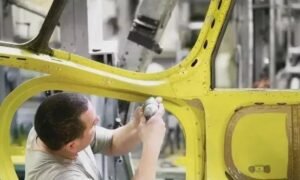
If we look closely at the
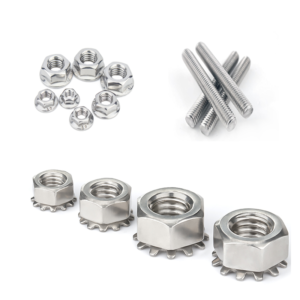
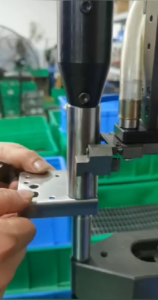

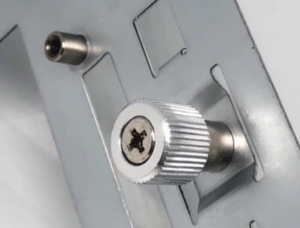
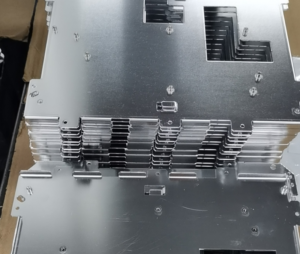
In the process of sheet metal parts, it is common to press riveting stud, screw, or nut on the sheet metal parts to meet the use function of the parts. In addition to stainless steel, the surface of most sheet metal parts needs plating treatment, pressure riveting fasteners electroplating, easy to lose, fall off, and other phenomena, that affect the quality of pressure riveting.
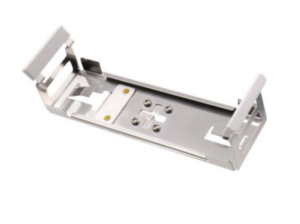
The main issues for design engineers to consider are the following: Bend/ Puchong/ Fitter/ Press riveting/ Welding/ Spray
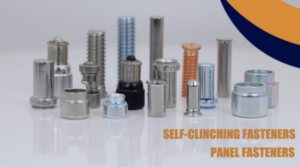
With the development of the economy and the renovation of various technologies, riveting technology has been gradually applied in the sheet metal industry. Among them, clinch nut, and clinch screw is the most common, it rivets firmly, high efficient, easy to use. In a certain range, it has replaced some traditional welding processing methods. But in the use process, we must pay attention to the following basic requirements