
Advantages of Weld Self-Clinching Studs in Manufacturing
Weld self-clinching studs are revolutionizing the manufacturing industry. They offer a reliable and permanent fastening solution for metal assemblies. These studs are designed for thin sheet metal, providing a strong hold without extra hardware.
Their installation is simple and efficient. It involves pressing the stud into a pre-punched hole and applying pressure. This process causes the metal to flow into the stud’s undercut, ensuring a secure fit.
Weld self-clinching studs are ideal for applications with limited space. They do not protrude beyond the metal surface, maintaining a sleek appearance. This makes them perfect for industries like automotive, aerospace, and electronics.
Compared to traditional weld studs, they reduce the risk of warping or damaging the metal. They also eliminate the need for secondary operations, saving time and labor costs.
What Are Weld Self-Clinching Studs?
Weld self-clinching studs are innovative fasteners designed for secure attachment in thin metal sheets. They provide a seamless and durable hold without requiring additional support. Unlike traditional fasteners, these studs are integrated into the metal surface.
Their unique design allows for easy installation. The process involves minimal equipment and provides a firm attachment point. The convenience of installation is one reason they are gaining popularity in diverse industries.
Weld self-clinching studs are particularly valuable in applications where space is constrained. They do not extend beyond the metal surface, maintaining a clean and unobtrusive appearance. This aspect is crucial for final products that demand precision and aesthetics.
Key Characteristics of Weld Self-Clinching Studs:
- Installed in thin sheet metal
- Offer a permanent fastening solution
- Provide high torque-out and push-out resistance
These fasteners excel in performance compared to other metal studs. They are versatile and can be utilized across various manufacturing sectors.
How Weld Self-Clinching Studs Work
Weld self-clinching studs function by embedding into sheet metal through a clever mechanical process. A pre-punched hole accommodates the stud, and pressure is applied to secure it. This forces the surrounding metal to flow into the stud’s undercut, creating a strong bond.
The process is quick and efficient, integrating the stud into the assembly seamlessly. By avoiding traditional welding, the method limits surface distortion. This ensures the metal piece remains intact and free from warping.
Key benefits of this process include:
- Fast installation with minimal equipment
- Reduced risk of metal warping
- Strong, durable attachment
The resulting joint is robust, able to withstand demanding conditions. This makes weld self-clinching studs a popular choice in industries that prioritize efficiency and reliability.
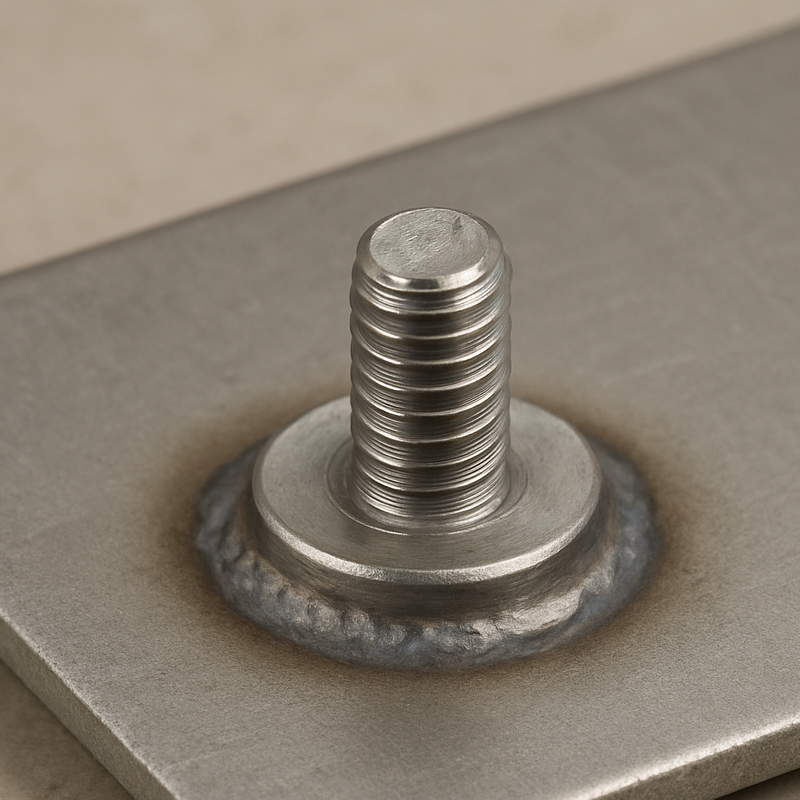
Key Advantages Over Traditional Weld Studs
Weld self-clinching studs offer several compelling advantages compared to traditional weld studs. One primary benefit is the preservation of surface integrity. They minimize the risk of surface damage since no heat is applied during installation.
Another advantage is the absence of secondary operations. Traditional weld studs often require additional steps like grinding to smooth surfaces, which increases labor costs. In contrast, self-clinching studs eliminate these steps and reduce overall production time.
The installation process for weld self-clinching studs is not only quicker but also safer. Without the need for high temperatures, the risk of burns or fire hazards decreases significantly. This aspect enhances workplace safety, which is a constant priority in manufacturing settings.
A clean finish is also an appealing advantage. Self-clinching studs provide a flush appearance, improving the aesthetic quality of the final product. This feature is ideal for products where visual appeal matters.
Key advantages include:
- Surface preservation
- Reduced labor costs
- Enhanced safety
- Aesthetic appeal
These benefits make self-clinching studs a preferred choice in various manufacturing environments.
Applications in Modern Manufacturing
Weld self-clinching studs have found extensive use across many industries. Their reliability and ease of installation make them a top choice for manufacturers. Industries such as automotive, aerospace, and electronics particularly benefit from these versatile studs.
In the automotive industry, self-clinching studs are invaluable. They provide robust fastening solutions crucial for parts that undergo high levels of vibration. This makes them ideal for maintaining structural integrity under dynamic conditions.
Aerospace applications also favor these studs. Lightweight yet strong, they contribute to weight reduction while ensuring durability. This balance is essential for both performance and fuel efficiency in aircraft.
Key applications include:
- Automotive assemblies
- Aerospace components
- Electronic device enclosures
The electronics industry appreciates their ability to provide reliable grounding. Ensuring electrical continuity is vital in electronic assemblies, making these studs an important component. These applications highlight the adaptability and practicality of self-clinching studs in modern manufacturing.
Material Options and Customization
Weld self-clinching studs offer a variety of material choices, catering to different manufacturing needs. Common materials include stainless steel, aluminum, and carbon steel. Each material has its unique benefits, providing solutions for diverse industrial applications.
Stainless steel is often preferred for its resistance to corrosion. This makes it suitable for both indoor and outdoor uses. Aluminum provides a lightweight option, essential for applications where weight reduction is crucial, such as in aerospace sectors.
These studs are highly customizable. Manufacturers can choose from various thread sizes and lengths to meet specific project requirements. This flexibility allows for tailored solutions that enhance product performance.
Options include:
- Stainless steel
- Aluminum
- Carbon steel
Such versatility in materials and customization ensures that self-clinching studs fit well in a wide range of applications, making them an asset to manufacturing processes.
Installation Process and Best Practices
Installing weld self-clinching studs is straightforward and efficient. The process requires minimal training and can be completed rapidly. This efficiency saves both time and labor costs in manufacturing settings.
To install these studs, begin by pressing them into a pre-punched hole. Next, apply pressure, which enables the metal to flow into the stud’s undercut. This creates a secure fastening that is reliable and robust.
Adhering to best practices ensures optimal results. Some tips include:
- Use the correct tool for the installation.
- Ensure holes are accurate and clean.
- Apply uniform pressure during installation.
Following these steps and suggestions will help achieve a clean, secure, and effective installation, enhancing overall production quality.
Choosing the Right Stud for Your Application
Selecting the right weld self-clinching studs is crucial for optimal performance. Consider the environment and specific application requirements. This will determine the material and size needed.
Here are important factors to consider:
- Material compatibility: Ensure the stud matches the metal used.
- Strength requirements: Choose studs that meet load-bearing needs.
- Size and thread: Match the stud size to the design specifications.
Each application may have unique demands. Assess them carefully to ensure the chosen stud provides the desired reliability and performance. By doing so, manufacturers can enhance assembly efficiency and durability.
Conclusion: Enhancing Manufacturing with Weld Self-Clinching Studs
Weld self-clinching studs offer numerous benefits in manufacturing. Their efficiency and strength make them a top choice for many industries.
By opting for these studs, manufacturers can achieve better performance, lower costs, and increase product longevity. They are a solid investment for enhancing the reliability of metal assemblies.
